
This post contains affiliate links. That means if you purchase something through one of these links, I may earn a small commission—at no extra cost to you. Thank you for supporting our homeschool journey!
Starting homeschool can feel both exciting and overwhelming. You want to give your child the best education—something rich, flexible, and tailored to who they are—but where do you even begin?
Here’s the good news: You don’t need a perfectly curated schoolroom, a rigid curriculum, or years of experience to get started. What you do need is a few key tools and the mindset that protects what matters most—your child’s natural love of learning.
Whether you’re dipping a toe into homeschooling or ready to jump all in, here’s a simple homeschool starter kit to build confidence without killing curiosity.
1. A Gentle, Proven Reading Program
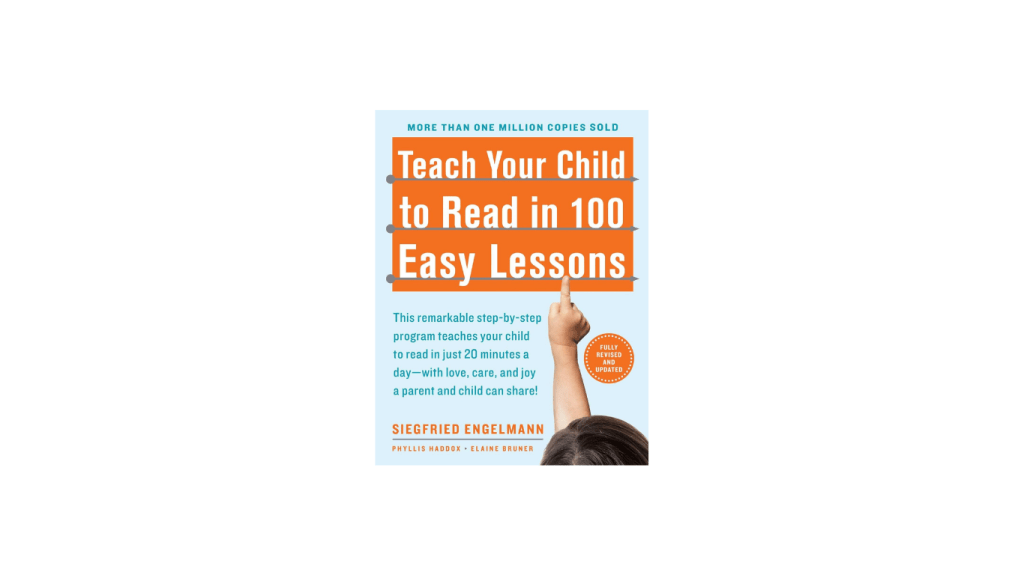
📚 Teach Your Child to Read in 100 Easy Lessons
This book is a favorite in the homeschool world for a reason. It’s clear, structured, and effective. Each lesson is short (about 15–20 minutes), and the program uses phonics-based techniques that gradually increase your child’s confidence and skill. You don’t need to be a trained teacher to use it—just a parent with a bit of patience and consistency.
Bonus tip: Don’t worry if your child isn’t reading by a certain age. The magic of homeschooling is working at their pace. Many kids flourish when the pressure is off.
2. A Simple School Room Calendar
🗓️ Visual Wall Calendar for Kids
A school calendar can anchor your days. Use it to mark special learning days, field trips, weather, or just to help kids understand the rhythm of time. It’s a hands-on way to introduce sequencing, numbers, and planning—without even cracking a workbook.
Choose one with Velcro or magnetic pieces so kids can help update it. Bonus: it becomes part of your morning rhythm and gives a gentle start to the day.

3. A Globe to Spark Curiosity
🌍 Interactive Globe
A globe turns a question into an adventure. “Where is that?” “Why is it hot there?” “What animals live on that continent?” It’s an invitation to explore. Pair it with read-alouds or documentaries, or just spin it and let your child point to a random country to learn about that day.
You don’t need a fancy digital globe—just one they can touch and turn.

4. Dry Erase Board (Big or Small)
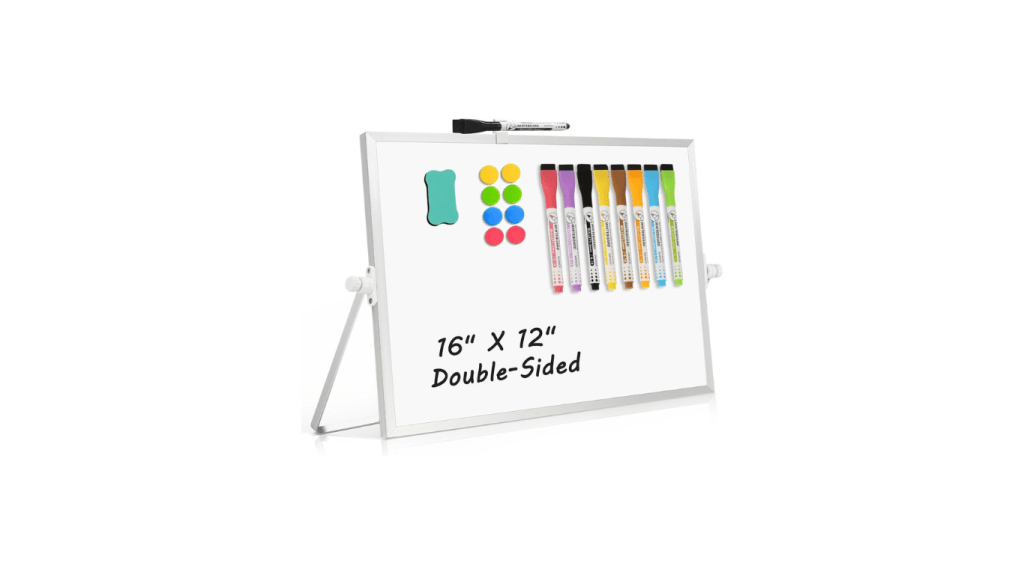
🧼 Magnetic Dry Erase Board
Whether you’re writing math problems, illustrating a science idea, or letting your child practice handwriting, a dry erase board is a staple. It’s mess-free, reusable, and inviting in a way paper sometimes isn’t. Kids love being able to erase and try again.
Pro tip: Stick it on a wall or use a lap-sized one. Both have their moments.
5. A Gentle Mindset: Ease In, Don’t Overwhelm
🧠 This might be the most important part of your homeschool starter kit.
Start slow. You’re not trying to recreate public school at home. You’re creating a lifestyle of learning—one that honors your child’s curiosity, your family rhythm, and the long game of education.
The first few weeks (or months!) don’t have to be perfect. In fact, they shouldn’t be. Let your child’s interests lead. Let them wiggle, play, get bored, and ask questions. Resist the urge to fill every minute or check every box. The magic of homeschool is in the margin.
When you ease in, you preserve the joy. And that joy is what keeps learning alive for the long haul.
Bonus Add-On: Carve Out a Spot, Not a Classroom
You don’t need a full schoolroom to homeschool well. A cozy reading nook, a kitchen table, a backpack shelf by the door—those are all enough. Learning will happen on the couch, outside, in the car, and sprawled across the floor. Trust it.
Final Thoughts
Your homeschool doesn’t need to look like anyone else’s. It just needs to feel like yours. These starter items—one good book, a globe, a calendar, a whiteboard, and a mindset that protects the wonder—are enough to begin. You can build and adjust as you go.
Homeschooling isn’t about doing it all—it’s about doing what matters most.
 Mountain & Mind
Leave a comment